
Winter Tree Maintenance
Winter is a great time for trees and shrubs. As the weather cools down and plants enter dormant stages, now is the ideal time to provide some extra attention and maintenance to your landscape tree species.
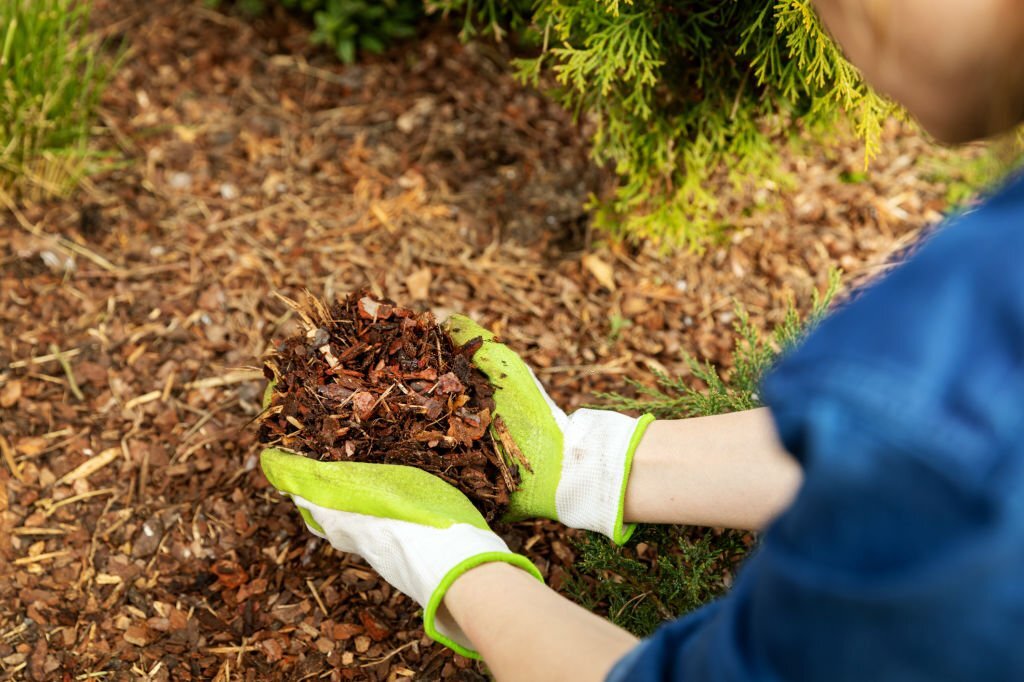
Caring for trees during winter can help ensure that they stay healthy through spring blooms, summer storms, and fall foliage – setting them up for optimal growth in the upcoming season. With proper tree care processes like tree pruning, removing dead or diseased limbs, mulching around newly-planted specimens, and protecting new buds from freezing temperatures, you can keep your outdoor oasis looking gorgeous year round!
Read on to learn more about key winter tree maintenance practices to guarantee the health and vitality of your garden landscaping over the long term!
Winter Tree Maintenance - 10 Tips
- Prune Dead Limbs: Remove any dead and broken limbs that could be hazardous to people or property. Ensure all tools are sharp and clean before use and wear protective gloves when pruning in cold weather.
- Water Deeply: Trees need a good soaking of water at least once every couple of weeks throughout the fall and winter months. This helps to keep the tree healthy and hydrated during cold temperatures.
- Mulch: Add a layer of mulch around your trees, at least three to five inches deep, to retain moisture in the soil and protect roots from extreme temperature fluctuations.
- Wrap Young Trees: If you have newly planted trees or young saplings, wrap them with burlap or other fabric material to shield them from wind and cold temperatures.
- Fertilise: Tree fertiliser should be applied once every six months during the growing season to ensure that they are receiving all of the nutrients they need for healthy growth and development throughout the year.
- Pest Control: Winter pests such as aphids, mites, and scale can damage your trees if not controlled. Make sure to monitor for any signs of infestation and take appropriate action as needed.
- Tree Lopping: Have an arborist inspect the tree for any dead or damaged branches that need to be removed in order to promote a healthier look and prevent further damage.
- Inspect for Diseases and Insects: Have a professional tree surgeon inspect your trees for any signs of disease or insect infestation that may have occurred during winter.
- Trim Away Branches: If you notice branches crossing or rubbing against each other, trim them away to prevent further damage to the tree’s bark and structure.
- Protect from Animals: If there are animals such as deer, rabbits, or squirrels in your area, wrap the tree trunk with hardware cloth or chicken wire to protect it from damage caused by these animals. This will also help to prevent them from using the tree as a food source.
By following these simple winter tree maintenance tips, you can ensure that your trees remain healthy and look beautiful for years to come. Taking the time to invest in their care now will help to avoid costly repairs and replacements down the road. Investing in proper tree care is an important part of maintaining a healthy landscape. If you are uncertain about any of the steps above, it is best to contact a tree specialist in your area who can provide you with the information and guidance needed to properly care for your trees. You can also get in touch with Tree Star if you are looking for someone to take care of your trees in Sutton, South London, Balham and Clapham areas.
FAQs
It is recommended to add a layer of mulch around your trees, at least three to five inches deep, to retain moisture in the soil and protect roots from extreme temperature fluctuations. Additionally, you may want to wrap young trees with burlap or other fabric material to shield them from wind and cold temperatures.
If you notice signs of infestation from winter pests such as aphids, mites, and scale, it is important to take appropriate action. Contact a tree specialist or arborist in your area for assistance identifying and eradicating the pest problem. Additionally, if there are animals such as deer, rabbits, or squirrels in your area, it may be helpful to wrap the tree trunk with hardware cloth or chicken wire to protect it from further damage.
Trees need a good soaking of water at least once every couple of weeks throughout the fall and winter months. However, it is important to avoid overwatering and check the soil regularly to determine how often your trees need water.
Make sure to select a fertiliser specifically designed for tree health, and only use it according to the instructions on the package.